
SCADA Development in Navi Mumbai: The Future of Industrial Monitoring and Automation
SCADA systems play a crucial role in modern industries by enabling real-time monitoring, control, and data collection for complex processes. With Navi Mumbai’s rapid growth in manufacturing units, process plants, and infrastructure projects, the demand for advanced automation has increased significantly. Industries now rely on SCADA for improved efficiency, reduced downtime, and better operational visibility. This technology enhances smooth operations, faster fault detection, and informed decision-making. As Navi Mumbai continues to expand as an industrial hub, the need for reliable SCADA Development in Navi Mumbai is rising—empowering industries to stay competitive, maintain safety, and achieve consistent productivity.
What is SCADA all about ?
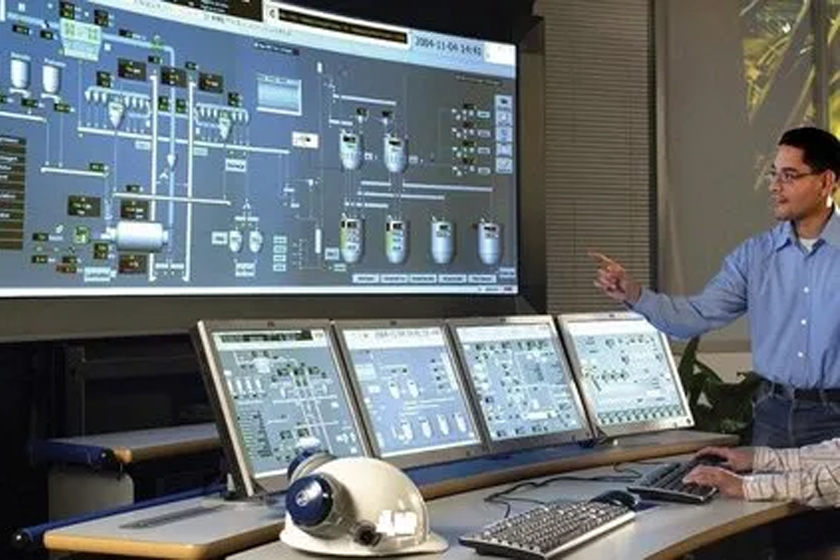
SCADA refers to Supervisory Control and Data Acquisition industrial control systems, which are used by companies to monitor, gather, and analyze real-time data from machines and processes. It includes core components such as PLCS, RTUs, sensors, communication networks, and SCADA software interfaces. The PLCs and RTUs capture all field data and send them for visualization, alarms, and report generation to the centralized SCADA system. SCADA brings centralized control to industrial automation with less manual intervention and predictive maintenance. It serves as a digital backbone in modern factories to ensure smooth, safe, and uninterrupted operations.
Key SCADA Development Services in Navi Mumbai:
1. SCADA System Design & Architecture
SCADA developers in Navi Mumbai concentrate on developing scalable and secure system architecture that would suit present and future industrial requirements. This entails designing communication layouts, identifying suitable PLC/RTU hardware, planning the network topology, and ensuring the smooth flow of data. Properly designed systems provide industries with benefits in seamless monitoring, secure data transmission, and easy integration with future automation technologies.
2. SCADA Software Development
The SCADA software development involves creating operator-friendly screens, dashboards, real-time trends, alarm displays, and analytical reports. The developers customize the interface based on the process of the industry so that operators can instantly perceive the condition of the plant. This enhances visibility and allows for rapid decision-making and smooth control of complicated machinery or processes through intuitive and sufficiently accurate graphical panels.
3. PLC/RTU Integration
One of the most crucial SCADA services is to integrate PLCs and RTUs with the SCADA system. This is the path through which the sensors, actuators, machines, and field devices are connected to the central monitoring system. Through proper integration, industries are capable of collecting credible data, automate their machine operations, and have remote control over their equipment. This also makes sure that all devices communicate seamlessly for highly accurate and real-time insights.
4. Data Logging & Historian Setup
Data logging and historian systems allow industries to store real-time and long-term process data for analysis. These include production trends, machine performance records, quality parameters, and energy consumption logs. A well-configured historian helps companies check track process issues, plan maintenance, and make decisions based on data trends that have an overall effect in improving productivity and cutting operational cost.
5. Alarm Management System
Alarm management is the hallmark of safety and the prevention of equipment failure. SCADA developers configure critical alarms, events logging, and priority alerts, such as SMS or email notifications, empowering operators and maintenance teams to act quickly in abnormal situations. Good management protocol for alarms in production minimizes downtime, safely protects the assets, and protects against loss of production.
6. Remote Monitoring & Control
Modern SCADA solutions in Navi Mumbai would provide cloud-based and mobile-access platforms. These systems enable the plant managers and engineers to monitor equipment, view alarms, and control processes from anywhere. Remote access helps make timely decisions, lessens site presence requirements, and supports 24/7 supervision of critical operations hence making it valuable for a distributed setting of facilities and utilities.
7. Cybersecurity for SCADA Systems
As SCADA systems move more into connectivity, cybersecurity is now the most important concern. Developers protect industrial networks using secure communication protocols, firewalls, data encryption, and role-based user access. This protects against unauthorized access, data breaches, and cyberattacks. A very good cybersecurity strategy guarantees that well reimbursed industrial processes operate in great reliability and integrity as well as uninterrupted..
Steps in SCADA System Development:
1. Requirement Study
The development process starts with a detailed study of the requirements so as to understand things like the plant layout, the machines, processes, and control needs. The engineers interact with the operators and the management to identify monitoring points, alarms, reporting needs, and communication methods. This step ensures that the SCADA solution will fit the operational and safety needs of the industry exactly.
2. Architecture Design
Once the requirements are gathered, the engineers design the complete architecture of SCADA that defines how PLCs, RTUs, servers, and networks will interact. They would choose communication protocols, design complete network topology, plan data flow, and take care to design for scalability into the architecture of the complete system to allow easy expansion later. A good design of the overall architecture gives a reliable foundation for the stable and secure SCADA system.
3. PLC/RTU Mapping
PLC/RTU mapping entails bringing all I/O points, including all sensors, motors, and field devices, into the SCADA system. The engineers relate tag names and addresses and look into setting up communication links between the controllers and SCADA software. Proper mapping will ensure that a signal from every field is received and controlled accordingly without fail in data acquisition and interactions with the machines.
4. Screen & HMI Development
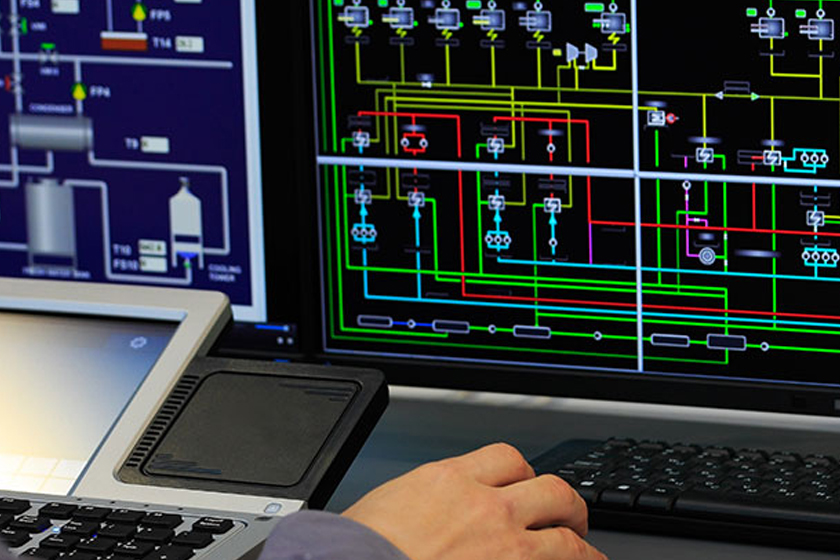
Once mapping has been carried out, then operators′ screens, dashboards, trends, alarm pages, and equipment control panels will be developed. These HMI/SCADA screens are intended to graphically represent plant operations to assist users in monitoring processes efficiently. The purpose is to make the user interface simple, so that operators can enhance situational awareness and respond quickly during abnormal conditions.
5. Testing & Simulation
Before an SCADA system is installed in the field, much testing and simulation will be performed by engineers. They will check that screens function correctly, verify alarm logic, communicate information with PLCs/RTUs, and validate data accuracy. Simulation enables engineers to troubleshoot emerging issues without impacting current operations. This particular task enables the engineer to ensure the successful, error-free run of the system when put in place at the plant.
6. Site Commissioning
During commissioning, the SCADA system would be injected into a live plant environment. Engineers would be doing live testing, calibrating parameters, validating alarms, and checking that the communication between SCADA and its field devices is running smoothly. They would also ensure that the response to operations from the system behaves as expected in all scenarios. Successful commissioning of the SCADA system achieves correct operation in conjunction with stable functionality.
7. User Training & Documentation
After commissioning, hands-on training in SCADA usage, alarm handling, troubleshooting, and reporting would be given to all operators and maintenance personnel. Complete documentation, including system architecture, tag lists, manuals, and backup procedures, would also be made available. Properly trained and documented, all personnel will be able to operate and troubleshoot the system independently.
Conclusion
SCADA development is a major industry in Navi Mumbai, as it is propelling industries towards smarter, efficient, and data-driven operations. SCADA systems assist businesses to realize performance optimizations and reduction of downtime through real-time monitoring, improved control, and enhanced safety. The added benefit of having local developer companies is faster support, ease of implementation at lower costs, and customization fitting the regional industrial needs. Adoption of advanced SCADA solutions will guarantee reliability, transparency in operations, and competitiveness as the manufacturing, processing, and infrastructure sectors gain expansion. For any new production facility in Navi Mumbai, investing in SCADA is rapidly becoming a strategic step towards future-ready automation.