
Foundry Automation Mumbai: The Optimal Way for Productivity, Safety & Casting Quality
Foundry automation is rapidly transforming Mumbai’s casting industry as manufacturers strive for higher productivity, consistent quality, and safer operations. To reduce defects, minimize labor dependency, and shorten turnaround times, many foundries are adopting Foundry Automation in Mumbai through semi- and fully automated systems. Technologies such as robotics, PLC/SCADA controls, automated pouring systems, and real-time smart sensors are helping modern foundries improve efficiency, enhance casting quality, and stay competitive in an increasingly demanding market.
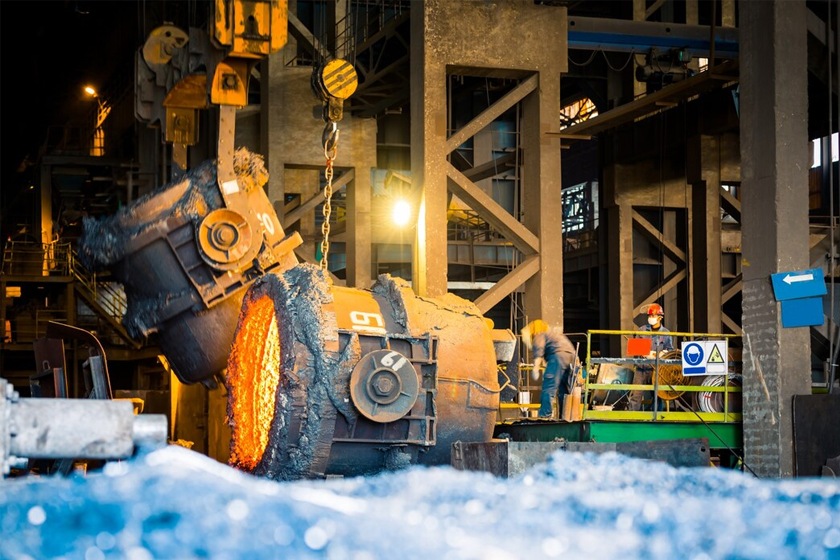
Benefits of Foundry Automation in Mumbai:
1. Greater Production Efficiency
Foundry automation gives a new magic boost to production efficiency bringing down manual intervention and streamlining the repetitive tasks. With automated moulding, core making, and pouring systems, the cycle times are reduced; hence, foundries can handle bigger volumes of production without sacrificing quality. Predictive maintenance tools integrated to PLC/SCADA significantly contribute to high-precision monitoring of machine health in real-time, overcoming sudden breakdowns on the floor and reducing unscheduled downtimes. Therefore, foundries in Mumbai could operate continuously, meet very short delivery schedules, and increase total turnout.
2. Reduced Labour Dependency
Labour shortage and high turnover rates are prevalent in most industrial belts in Mumbai. Automation resolves this dilemma by converting tedious, time-consuming, and physically exhausting activities into machinery or robotic systems. It greatly lessens the dependency on a large workforce without sacrificing the steady output when demand peaks. As well, it matches skills, as the operators will be trained only basically to operate the advanced machines, rather than spend time mastering highly specialized manual work.
3. Better Quality Casting
Besides the consistency of casting quality, automation ensures that there is accurate control of critical parameters such as the composition of moulding sand, melting temperature, and pouring rates. Consistency in these factors minimizes the incidence of common defects such as porosity, shrinkage, and dimensional inaccuracies. Automated inspection systems also guarantee that the casts meet specification required by the customer. Improved quality for the highly competitive foundry sector of Mumbai translates directly into increased customer satisfaction and reduced rejects.
4. Enhanced Safety at Workdesign
Foundry manual operations provide the atmosphere of extreme heat, molten metal, heavy machines, and dust. This hazard has substantially reduced because of the automatic processes taking over these dangerous operations like metal pouring, fettling, and grinding. It has shifted employees into safer monitoring and supervisory roles instead of direct handling. Further, releasing employees has also been added advantages in fulfilling industrial safety regulations applied at foundries, thus leading to a reduction in workplace accidents and excellent safety overall.
5. Reduced Operational Costs
Costly initial cash outlay is the general premise under automation at installation. In reality, such a situation is only temporary; indeed, with time, the savings are realized from higher efficiency with lesser waste impacts brought about by automation. Most of the automated equipment is designed with energy economizing abilities; thus, less expenditure on electricity and fuel consumption is needed. Less scrap and reworks are obtained as a result of tight accuracy in controlling materials during moulding and pouring. Such increased production and low breakdowns give excellent ROI; thus the economic case for automating Mumbai foundries becomes stronger in a longer run.
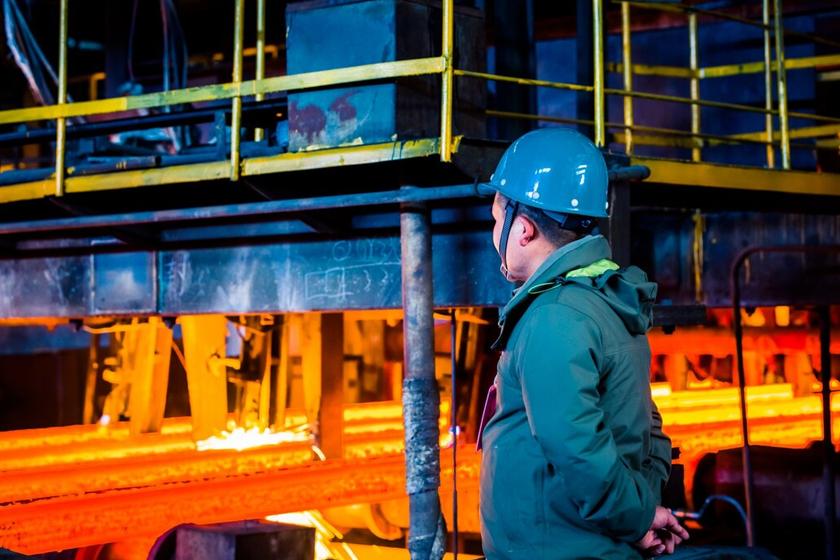
Applications of Automation in Different Foundry Types:
1. Foundries for Iron
Iron foundries are well-established in automating castings in CI and SG; this is to ensure consistency and high-volume production. Automated moulding machines ensure uniform preparation of moulds and high production efficiency, advanced core-making systems yield accurate and repeatable cores, while automated or robotic pouring systems ensure precise metal flow and temperature control that minimize defects and create safer working conditions. Such technology allows iron foundries to work under stable production rates, relatively lower rejection percentages, and high-quality output even under harsh scheduling in Mumbai.
2. Foundries for Steel
Automation runs most of the steel foundries in temperature ranges with accuracy for steel to be cast. It uses robotic fettling systems that will take the place of potential hazardous manual grinding, cutting, and deburring with sparks, noise, and dust. Automated machines have uniform finishing quality and keep the worker away from fatigue along with accurate pouring arrangements to make controlled metal flow into the mold with reduction of turbulence and oxidation defect by using these technologies; These will manufacture the high-strength components with finer tolerances and better safety standards in steel foundries in Mumbai.
3. Aluminium Foundries
Automated die casting machines give the proper injection pressure, cooling, and ejection, making flawless items out of aluminum. High-speed die-casting has primarily adopted automation in aluminum foundries because accurate work and cycle time are the most essential. The automation of the furnace keeps melting temperatures very accurate and, thus, decreases gas porosity while increasing metallurgical properties. An increase in productivity comes about through the total elimination of manual transfer of molten aluminum. Such solutions lay the groundwork for automotive and electronics manufacture in Mumbai, demanding high-quality aluminum components.
4. Brass & Non-Ferrous Foundries
Alloys such as brass, bronze, and the others include the almost required critical temperature because it is very sensitive to temperature discrepancies. Thus, by automation, it provides the melting and holding temperatures and provides metallurgical stability to prevent defects such as loss of zinc and gas absorption. Automated quality-testing systems-such as visual inspection and digital measuring devices-maintain tight dimensional standards. Material handling automation reduces contamination risk. All these have made a difference in product reliability and efficient production cycles concerning non-ferrous foundries in Mumbai.
Conclusion
Foundries are moving swiftly toward automation to improve productivity, consistency, and safety at the workplace. Today, automated systems now do the work of molding, pouring, finishing, and inspecting. Thus, almost all dependency on labor in a foundry has lessened and, yet, there is good productivity in terms of quality output. Each foundry has different features, whether iron, steel, aluminum, or non-ferrous, which sit specific automation technologies to improve efficiencies while cutting down costs of operations. The demand for ever more efficient and reliable repeating solutions continues to rise, and this builds a clear foundation towards establishing a long-term competitive edge, greater efficiency, and sustainable industrial growth in Mumbai’s foundries through automation.